

Frit
What Is Frit
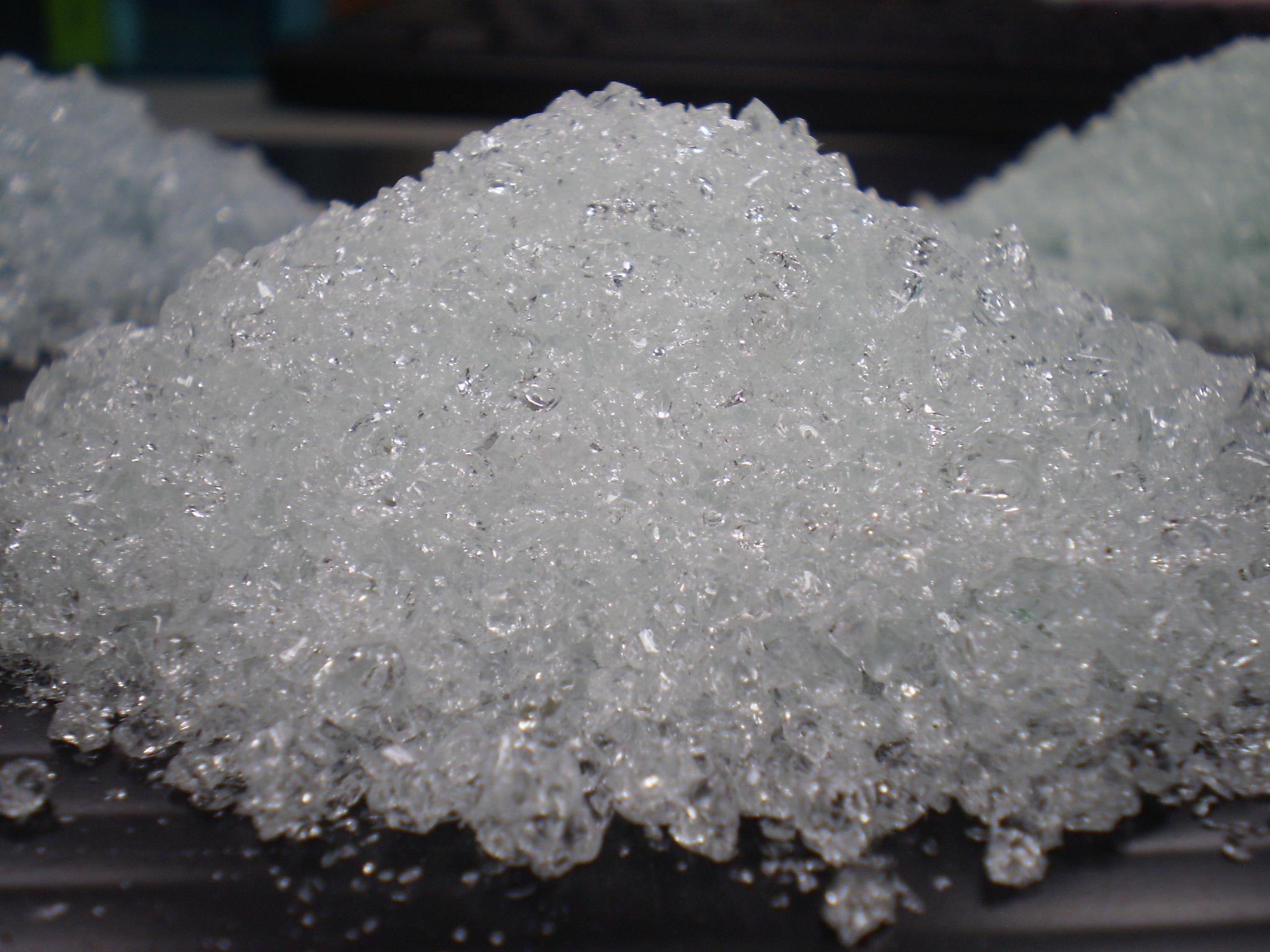
Frit is a glass-based coating material that enhances the appearance and properties of a base material. It is produced by melting raw materials in a furnace and rapidly cooling the molten glass in water. This process ensures that the chemical composition of the Frit is well-controlled, allowing it to serve as a reliable source of oxides with specific properties.
Advantages of Using Frit in Coatings
1.Water Resistance
Converts water-soluble materials into insoluble compounds while providing boron oxide (B₂O₃) to enhance material properties.
2.Consistent Quality
Ensures stable and uniform product performance.
3.Lower Melting Temperature
Reduces the firing temperature required for coatings, making it suitable for Fast Firing technology.
4.Broad Firing Range
Enhances flexibility in the firing process, making production control and adjustments easier.
5.Unique Surface Effects
Allows the creation of distinctive textures, gloss, matte finishes, and specific colors.
Type of Frit
Frit is essential in ceramic manufacturing, particularly for tile coatings and ceramic products. Depending on their composition and function, Frit types include:
•Transparent Frit
Provides clarity and high gloss, ideal for floor and wall tiles.
•Opaque Frit
Used in decorative tiles where surface coverage is required.
•Titanium Frit
Enhances Watermark Resistance, suitable for single and double fast-firing processes.
•Matt Frit
Produces a non-reflective, smooth finish for interior decoration.
•Heat-Resistant Paint Frit
Developed for high-temperature applications like heat-resistant paints.
Testing Frit Properties
1. Thermal Expansion Coefficient (COE) Proper COE balance between Frit, Engobe, and Tile Body is critical to preventing defects such as crazing and shivering, ensuring long-lasting durability.
2. Melt Fluidity Determines the Frit's ability to spread evenly across ceramic surfaces during firing, influencing the final product's appearance and quality.
3. Melting Glaze Ball Test This test evaluates the melting behavior of Frit under different temperatures, ensuring proper sintering and reducing pinhole defects caused by trapped gases during firing.